EZH2
EZH2 is the catalytic methyltransferase subunit of the Polycomb Repressive Complex 2 (PRC2) and mediates transcriptional repression through trimethylation of histone H3 lysine 27 (H3K27me3), thereby regulating cell proliferation, differentiation, and developmental gene expression programs[1][2][3]. Mechanistically, PRC2-dependent H3K27 methylation establishes repressive chromatin states and cooperates with other epigenetic silencing pathways to maintain stable suppression of target genes[4][5]. Through this epigenetic mechanism, EZH2 controls critical biological processes including cell-cycle regulation, lineage commitment, and transcriptional programs linked to tissue homeostasis and disease development[2][1]. In disease contexts, aberrant EZH2 expression or activity is frequently associated with cancer progression, where enhanced H3K27me3-mediated repression contributes to tumor cell proliferation, survival, invasion, metastasis, and drug resistance[2][3][6]. Experimental studies further demonstrate that EZH2 silencing can inhibit tumor growth and metastatic dissemination while restoring expression of tumor-suppressive genes, supporting its functional role in oncogenic epigenetic regulation[6]. Compared with the related isoform EZH1, EZH2 is generally regarded as the dominant catalytic component driving PRC2 methyltransferase activity in proliferating cells and is therefore the principal focus of therapeutic targeting strategies directed at PRC2-dependent chromatin regulation[1][7]. For experimental applications, selective EZH2 inhibitors have become important tools for investigating PRC2 biology and epigenetic gene repression, and the clinical development of agents such as tazemetostat has validated EZH2 as a tractable target for mechanistic and translational research in cancer models[7][8][9].
References:
- [1]. Tan JZ, et al. EZH2: biology, disease, and structure-based drug discovery. Acta Pharmacol Sin. 2014 Feb;35(2):161-74. [Content Brief]
- [2]. Gan L, et al. Epigenetic regulation of cancer progression by EZH2: from biological insights to therapeutic potential. Biomark Res. 2018 Mar 9;6:10. [Content Brief]
- [3]. Saijo N. Present status and problems on molecular targeted therapy of cancer. Cancer Res Treat. 2012 Mar;44(1):1-10. doi: 10.4143/crt.2012.44.1.1. Epub 2012 Mar 31. PMID: 22500155; PMCID: PMC3322195. et al. Present status and problems on molecular targeted therapy of cancer. Cancer Res Treat. 2012 Mar;44(1):1-10. [Content Brief]
- [4]. Muntean AG, et al. Epigenetic dysregulation in cancer. Am J Pathol. 2009 Oct;175(4):1353-61. [Content Brief]
- [5]. Peter EK, et al. A Hybrid Hamiltonian for the Accelerated Sampling along Experimental Restraints. Int J Mol Sci. 2019 Jan 16;20(2):370. [Content Brief]
- [6]. Lv YF, et al. Enhancer of zeste homolog 2 silencing inhibits tumor growth and lung metastasis in osteosarcoma. Sci Rep. 2015 Aug 12;5:12999. [Content Brief]
- [7]. Shi Y, et al. Structure of the PRC2 complex and application to drug discovery. Acta Pharmacol Sin. 2017 Jul;38(7):963-976. [Content Brief]
- [8]. Xia J, et al. Targeting Enhancer of Zeste Homolog 2 for the Treatment of Hematological Malignancies and Solid Tumors: Candidate Structure-Activity Relationships Insights and Evolution Prospects. J Med Chem. 2022 May 26;65(10):7016-7043. [Content Brief]
- [9]. Straining R, et al. Tazemetostat: EZH2 Inhibitor. J Adv Pract Oncol. 2022 Mar;13(2):158-163. [Content Brief]
-
EZH2 Related Products (83)
Related Products (83)

-
Antibodies (31)
-
Tazemetostat
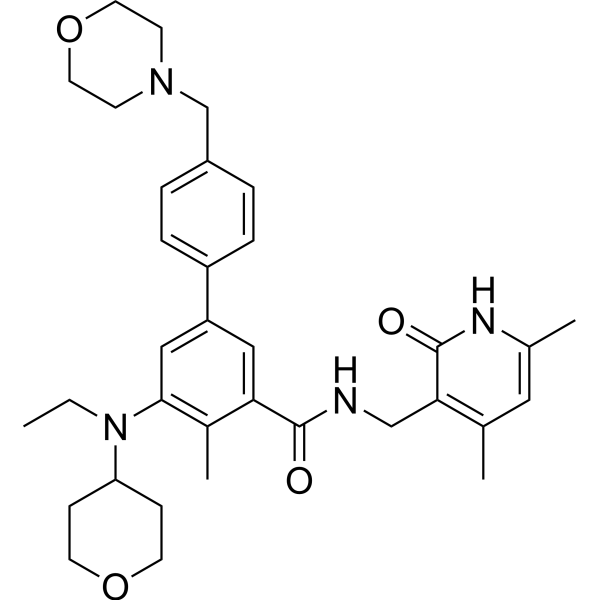 0 ImagesSynonyms: EPZ-6438; E-7438Tazemetostat (EPZ-6438) is a potent, selective and orally available EZH2 inhibitor. Tazemetostat inhibits the activity of human polycomb repressive complex 2 (PRC2)-containing wild-type EZH2 with a Ki value of 2.5 nM. Tazemetostat inhibits EZH2 with IC50s of 11 and 16 nM in peptide assay and nucleosome assay, respectively. Tazemetostat inhibits rat EZH2 with an IC50 of 4 nM. Tazemetostat also inhibits EZH1 with an IC50 of 392 nM. Tazemetostat induces apoptosis and differentiation specifically in SMARCB1-deleted MRT cells.
-
3-Deazaneplanocin A
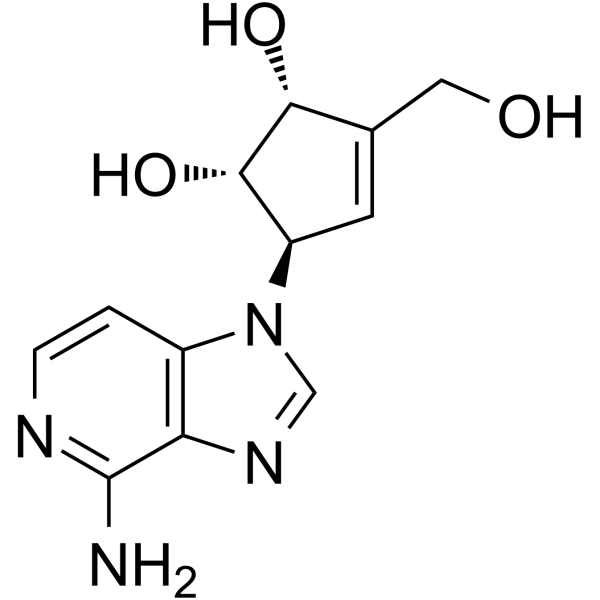 0 ImagesSynonyms: DZNep; 3-Deazaneplanocin3-Deazaneplanocin A (DZNep) is a potent histone methyltransferase EZH2 inhibitor. 3-Deazaneplanocin A is a potent S-adenosylhomocysteine hydrolase (AHCY) inhibitor. 3-Deazaneplanocin A shows anti-orthopoxvirus activity.
-
3-Deazaneplanocin A hydrochloride
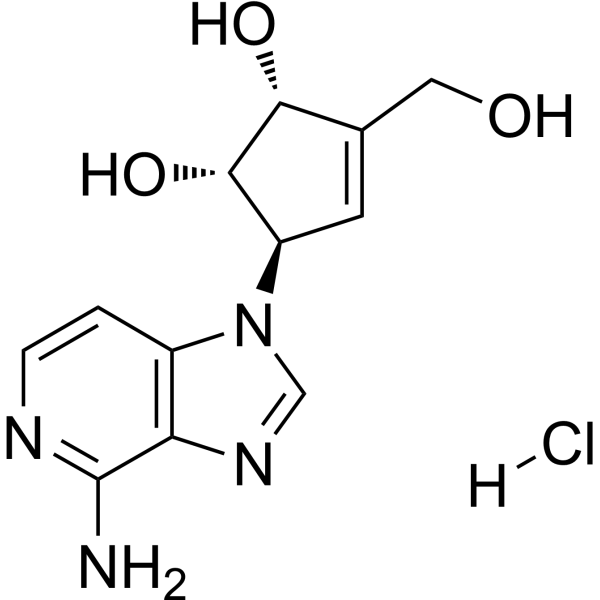 0 ImagesSynonyms: DZNep hydrochloride; NSC 617989 hydrochloride; 3-Deazaneplanocin hydrochloride3-Deazaneplanocin A hydrochloride (DZNep hydrochloride) is a potent histone methyltransferase EZH2 inhibitor. 3-Deazaneplanocin A hydrochlorideis a potent S-adenosylhomocysteine hydrolase (AHCY) inhibitor. 3-Deazaneplanocin A hydrochloride also has anti-orthopoxvirus and anti-variola activities.
-
MS177
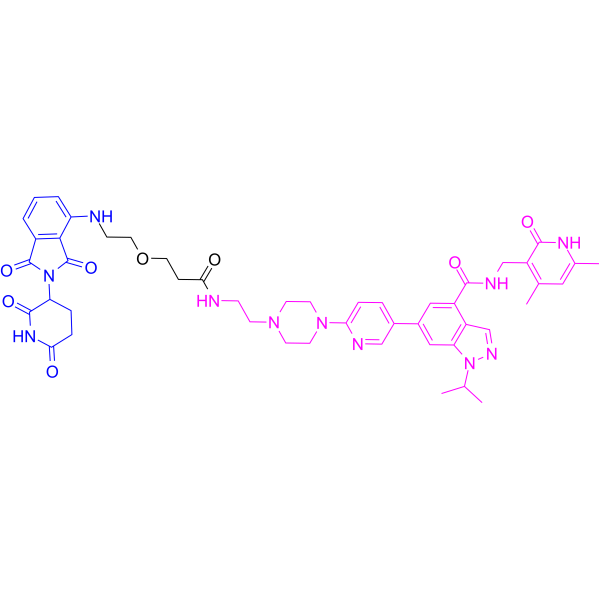 0 ImagesMS177 is an effective and fast-acting EZH2 degrader. MS177 is a PROTAC that consists of a CRBN ligand, linker, and a potent enzymatic EZH2 inhibitor C24 (C24 IC50): 12 nM). MS177 effectively depletes both canonical EZH2-PRC2 and noncanonical EZH2-cMyc complexes. MS177 induces leukaemia cell growth inhibition, apoptosis and cell cycle progression arrest.
-
QCA570
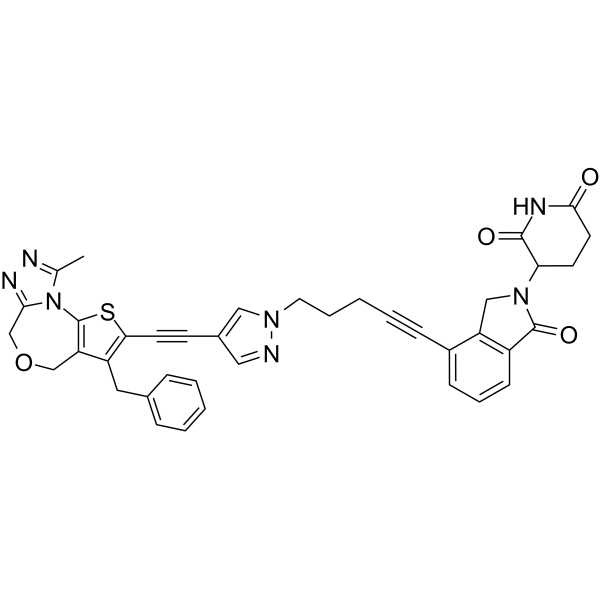 0 ImagesQCA570 is a pan-BET-BRD PROTAC degrader. QCA570 degrades BRD2/3/4 and BRDT via cereblon and the ubiquitin-proteasome pathway, inhibits the expression of c-MYC, EZH2 and Mcl-1, induces tumor cell apoptosis, cycle arrest and regression, and exerts a synergistic inhibitory effect on Osimertinib (HY-15772)-resistant EGFR-mutant non-small cell lung cancer. QCA570 can be used in the research of acute myeloid leukemia, acute lymphoblastic leukemia, bladder cancer and non-small cell lung cancer.
-
IHMT-EZH2-426
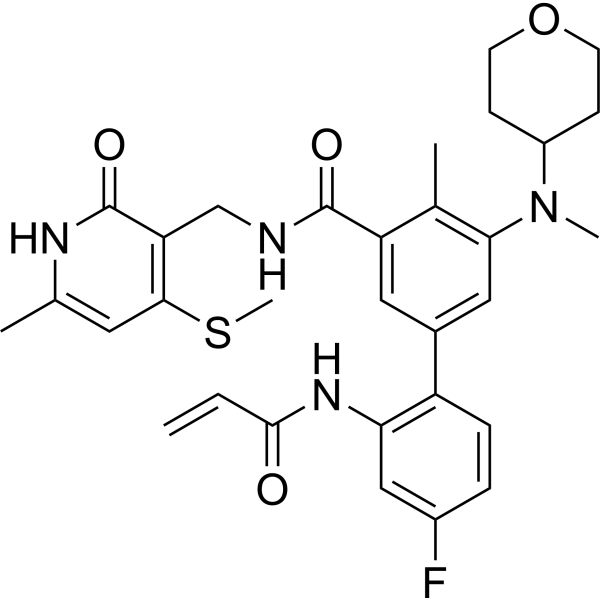 0 ImagesCat. No.: HY-156292CAS No.: 3018914-66-1IHMT-EZH2-426 is an orally active and selective EZH2 degrader. IHMT-EZH2-426 forms a covalent bond with Cys663 of EZH2, inhibits its catalytic activity, and reduces the protein levels of EZH2 as well as the level of H3K27me3. IHMT-EZH2-426 acts as an antiproliferative agent against B-cell lymphoma and triple-negative breast cancer cells, and also exhibits anti-tumor related activity in Pfeiffer and MDA‑MB‑231 xenograft models. IHMT-EZH2-426 can be used in studies related to B-cell lymphoma and triple-negative breast cancer.
-
UNC1999
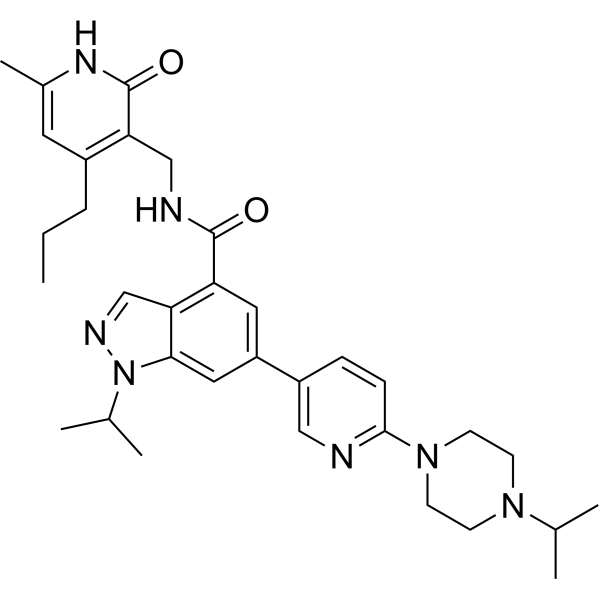 0 ImagesUNC1999, a chemical probe, is a SAM-competitive, potent and selective inhibitor of EZH2/1 with IC50s of <10 nM and 45 nM, repectively.
-
MS1943
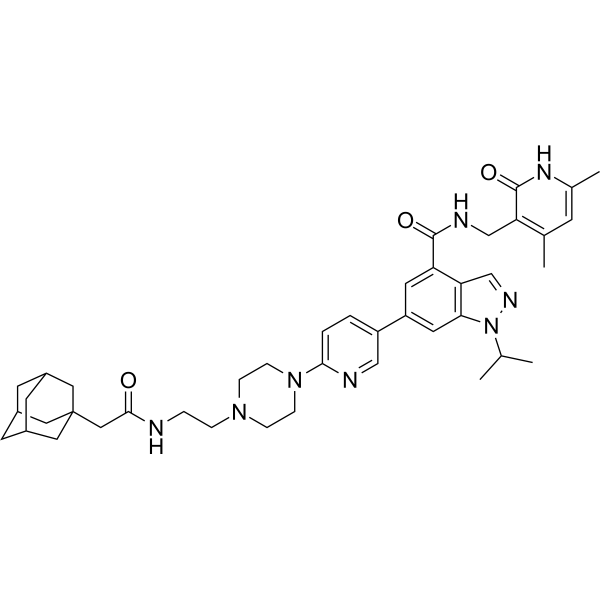 0 ImagesMS1943 is an orally active selective HyT degrader of EZH2 that effectively reduces EZH2 levels in cells. MS1943 has anticancer activity and exhibits cytotoxic effects in a variety of TNBC cells while sparing normal cells. In addition, MS1943 maintains high potency (IC50=120 nM) in inhibiting EZH2 methyltransferase activity and is highly selective for EZH2. (Structure Note: RED, EZH2 ligand (HY-148458); Blue, Hyt (HY-W001578)).
-
UNC6852
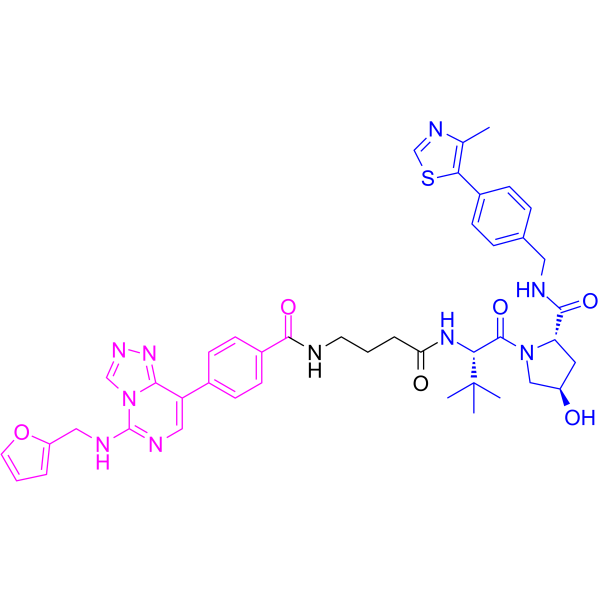 0 ImagesUNC6852 is a PRC2 PROTAC degrader, with a DC50 value of 0.79 μM for EED (HeLa), 0.3 μM for EZH2 (HeLa), and 0.59 μM for SUZ12 (DLBCL). UNC6852 binds to the WD40 aromatic cage of EED and CRL2-VHL, inducing proteasomal degradation of EED, EZH2 and SUZ12. UNC6852 reduces the level of H3K27me3 and exerts antiproliferative effects in cancer cells. UNC6852 can be used in studies related to diffuse large B-cell lymphoma, triple-negative breast cancer and prostate cancer.
-
A-395
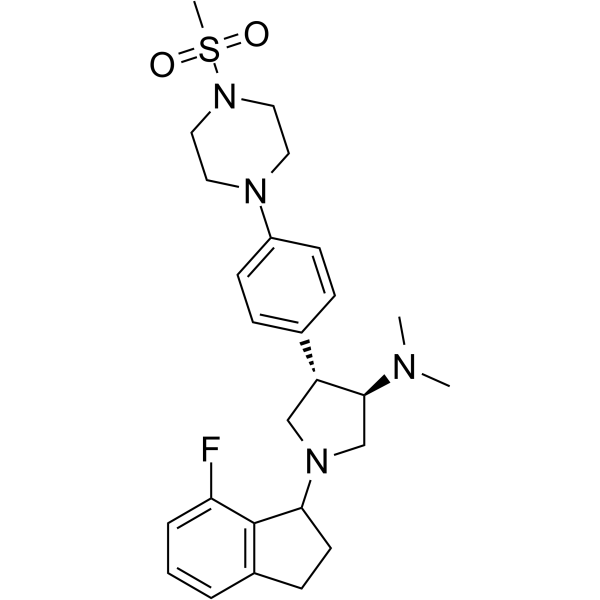 0 ImagesA-395, a chemical probe, is an antagonist of polycomb repressive complex 2 (PRC2) protein-protein interactions that potently inhibits the trimeric PRC2 complex (EZH2-EED-SUZ12) with an IC50 of 18 nM.
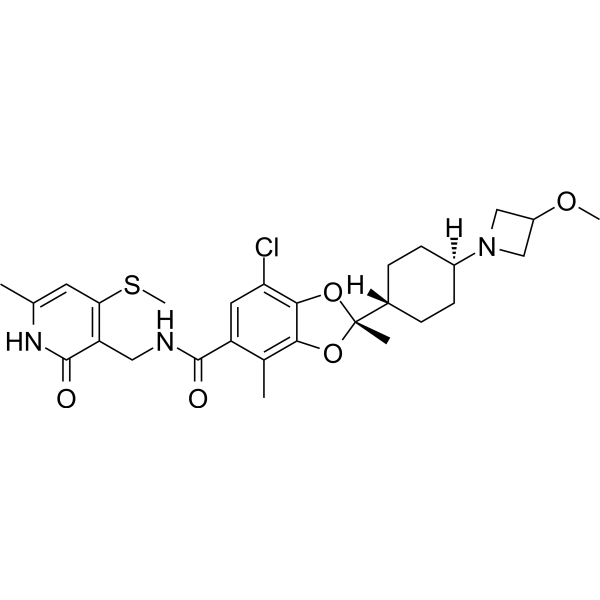
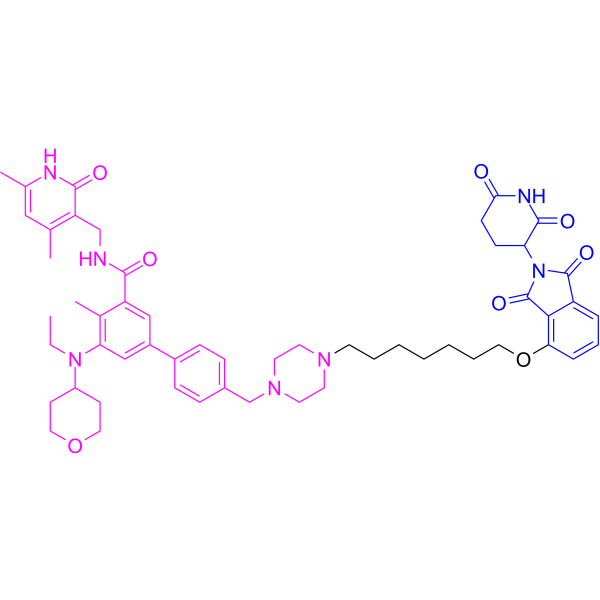
-
MS8847
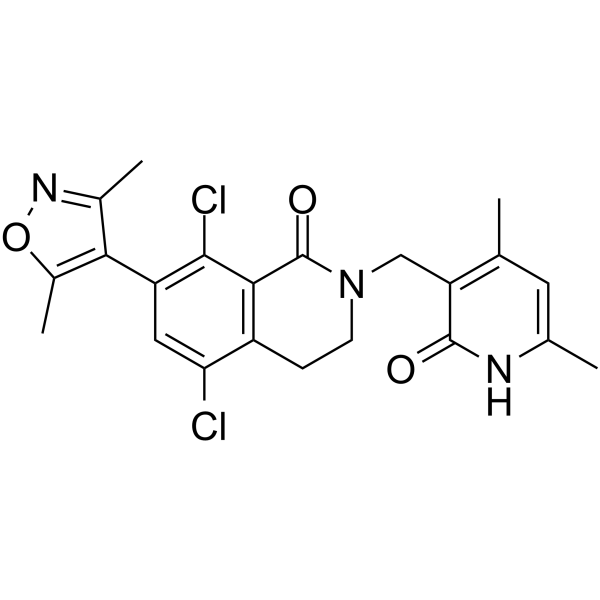
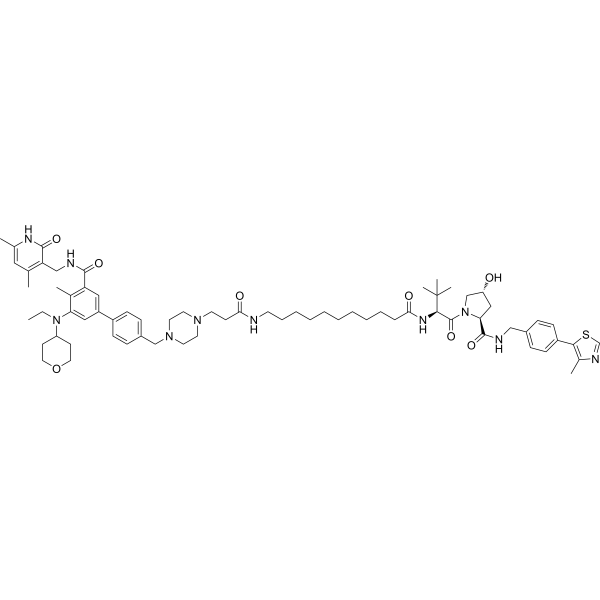 0 ImagesMS8847 is a PROTAC degrader and antiproliferative agent targeting EZH2 (DC50=34.4 nM in EOL-1 MLL-rAML cells). MS8847 recruits the E3 ligase von Hippel-Lindau (VHL) to mediate the degradation of EZH2 via the ubiquitin-proteasome system. MS8847 induces antiproliferative effects in MLL-rearranged acute myeloid leukemia cells and inhibits the growth of triple-negative breast cancer cell lines or 3D triple-negative breast cancer models. MS8847 is applicable to research related to MLL-rearranged acute myeloid leukemia and triple-negative breast cancer.
-
EPZ011989
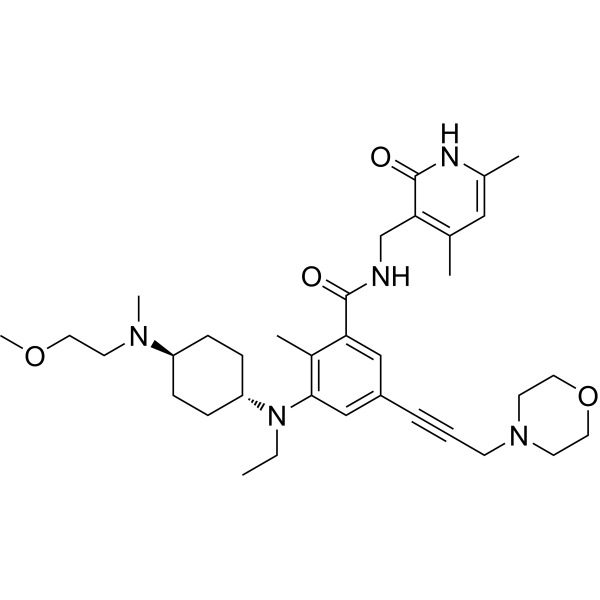 0 ImagesEPZ011989 is a potent and orally active Zeste Homolog 2 (EZH2) inhibitor with metabolic stability. EPZ011989 has inhibitory inhibition for EZH2 with a Ki value of <3 nM. EPZ011989 shows robust methyl mark inhibition and anti-tumor activity. EPZ011989 can be used for the research of various cancers. EPZ011989 is a click chemistry reagent, it contains an Alkyne group and can undergo copper-catalyzed azide-alkyne cycloaddition (CuAAc) with molecules containing Azide groups.
-
MS8815
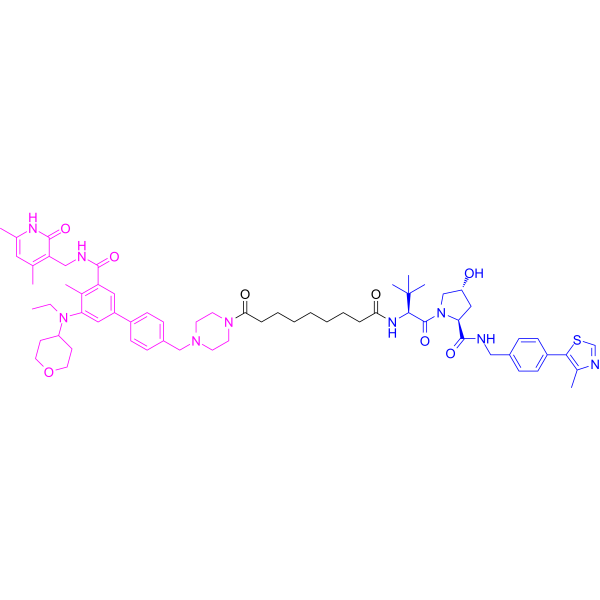 0 ImagesMS8815 is a EZH2 PROTAC degrader, with a DC50 of 140 nM in MDA-MB-453 triple-negative breast cancer (TNBC) cells and an IC50 of 8.6 nM against human EZH2. MS8815 induces ubiquitin-proteasome system-mediated degradation of EZH2, reduces the levels of EED, SUZ12, FOXM1, H3K27me3 and global m6A, and increases the protein level of HMGCS2. MS8815 can be used in the research of breast cancer and prostate cancer.